
Life Skills Gap Year Program in Potchefstroom
Practical Life Skills for the Real World
Equilibria School of Life offers a structured Christian life skills gap year in Potchefstroom, South Africa, helping young adults develop practical skills, confidence and independence as they prepare for adulthood.
Life Skills for Young Adults
A gap year should be about more than taking a break before university or work.
That is why students at Equilibria School of Life in Potchefstroom, North West, South Africa, spend the year developing life skills, personal confidence, independence and a deeper understanding of themselves as they prepare for adulthood.
The Equilibria Life Skills Program is a structured part of our gap year and runs from February to November. Throughout the year, students take part in a series of immersive, short courses presented by experienced lecturers and practitioners.
Each course focuses on a different area of life and combines excellent teaching with practical application. For example, students learn in the classroom, participate in activities and workshops, and complete assignments and assessments where applicable. In addition, they have opportunities to apply what they learn to real-life situations.
Applications for 2027 are now open.
What Are Life Skills?
Life skills are the practical abilities, knowledge and personal skills that help young adults navigate everyday life, relationships, studies, work and adulthood.
At Equilibria, we believe young adults need more than academic knowledge. They need to know how to manage money, communicate confidently, understand themselves, handle relationships, look after their wellbeing, make informed decisions, think critically and take responsibility for their future.
Our Life Skills Program gives students opportunities to explore these areas in a structured and practical way.
How Our Life Skills Gap Year Works
Each course in Equilibria’s life skills gap year combines specialist teaching with practical application.
A specialist lecturer or experienced practitioner leads the course, bringing professional knowledge, practical experience and engaging teaching into the classroom.
Most courses run from Monday to Thursday, from 8:30 to 12:00. Students then have lunch together before continuing with the rest of their day.
Friday is usually used for a recap, final teaching session, assessment or practical application, depending on the course. Students generally finish around 11:00 on Fridays before heading into the weekend.
Courses may include:
- Expert-led teaching
- Interactive discussions
- Practical workshops
- Demonstrations
- Assignments
- Written or practical assessments
- Excursions
- Creative projects
- Real-world applications
- Group activities
The exact order of courses may vary from year to year.
What Will I Learn During a Life Skills Gap Year?
The Life Skills Program covers a broad range of personal, practical, social and professional skills.
Rather than following traditional school subjects, the courses expose students to areas of life that become increasingly important as they move into adulthood.
Our life skills gap year covers five learning areas, bringing together personal, practical, social and professional skills.
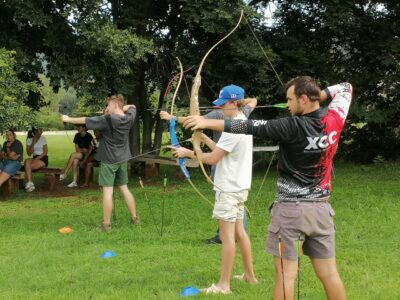
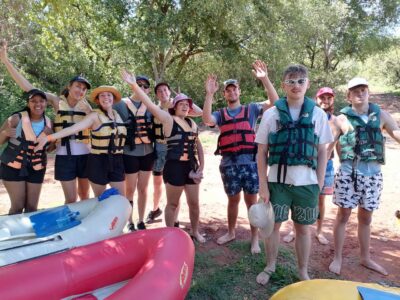
Practical learning is central to the Equilibria life skills gap year.

Personal Growth & Self-Development
Identity, Purpose & Potential
A week dedicated to discovering more about who you are, what makes you unique and what you are called to do.
Students explore identity in Christ, personality, gifts and talents, love languages, life callings and other aspects of self-understanding.
The aim is to help students develop greater self-awareness and begin considering how their identity, strengths and potential can shape the way they approach their future.
Communication
A course focused on developing confident, respectful and effective communication in everyday life.
Students explore different types and styles of communication, common communication barriers and how to interact confidently in a variety of social situations. Practical topics include giving and receiving compliments, introducing people, body language, appropriate attire, active listening and conflict resolution.
Emotional Intelligence
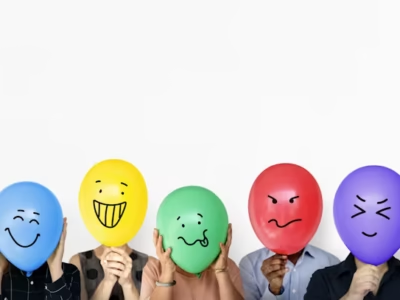
Explore how emotions influence thoughts, behaviour and relationships.
Students develop greater awareness of their own emotional profile, learn to recognise emotions in others, communicate more effectively and develop practical ways of handling conflict and difficult situations.
Positive Living
Explore how our thinking, words and beliefs can influence the way we approach life. Students learn about neuroplasticity and positive frameworks, challenge negative self-talk and explore how to move from a mindset of victimhood towards empowerment and greater personal responsibility.
Relationship Skills
Explore what contributes to healthy relationships and how to navigate relationships with greater maturity.
Topics include communication, disagreements, boundaries, forgiveness and making thoughtful decisions in relationships.
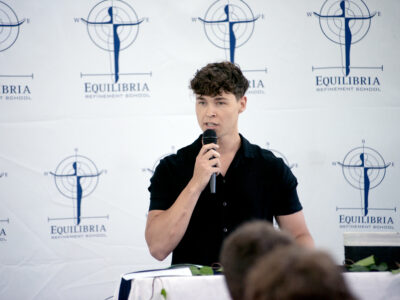
Public Speaking
Discover your authentic voice and learn to communicate with confidence.
This practical course blends neuroscience, psychology and hands-on activities to help students understand and overcome fear, communicate clear messages and engage an audience. Students have opportunities to practise speaking and develop greater confidence in expressing themselves authentically.
Thinking, Faith & Perspective
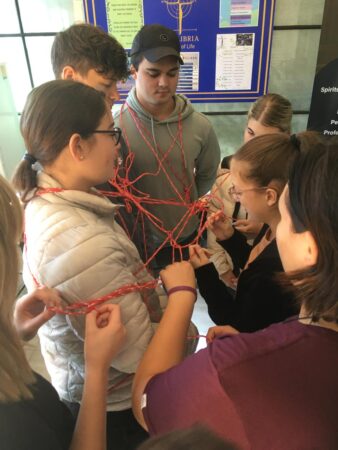
Think Smart, Act Bold
A practical approach to critical thinking.
Students learn to ask better questions, challenge assumptions, recognise different perspectives and think carefully about information and ideas.
The goal is not simply to teach students what to think, but to encourage them to think for themselves and make considered decisions.
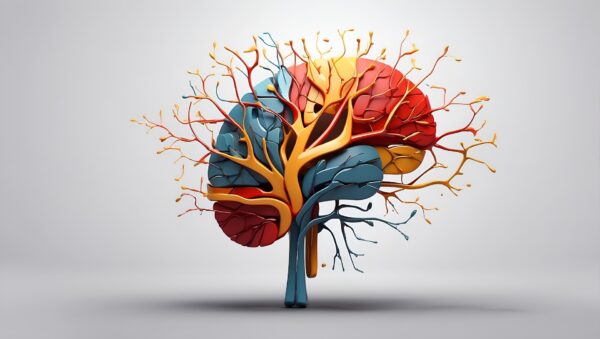
Neuroworx
Explore the fascinating connection between the brain, thinking, learning and behaviour.
Students develop greater awareness of how their brains work and how this can influence the way they learn, think, respond and interact with the world around them.

Worldviews
Explore the different ideas and beliefs that shape the way people understand themselves, society, morality and the world.
Students compare different worldviews and consider how underlying beliefs influence the way people think and live.
Christian Apologetics
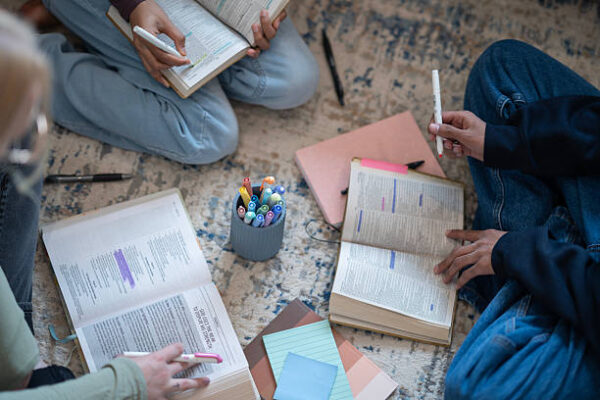
Explore questions surrounding Christianity and develop the ability to think carefully about faith, Scripture, truth, God, science and challenging questions.
Christianity is part of the foundation and environment of Equilibria, and this course gives students an opportunity to engage more deeply with questions of faith and belief.
Health, Fitness & Wellbeing
Mental Health & Wellbeing
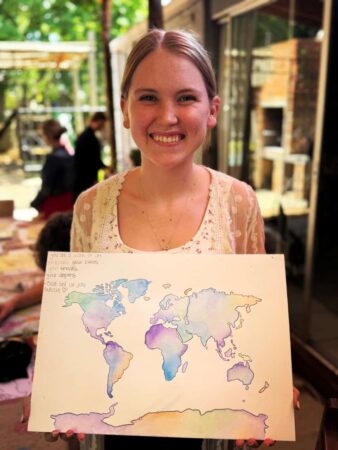
Explore practical aspects of mental health and emotional wellbeing, with an emphasis on developing mindfulness, emotional regulation, interpersonal effectiveness and practical ways of looking after yourself while navigating young adulthood.
Fitness Course
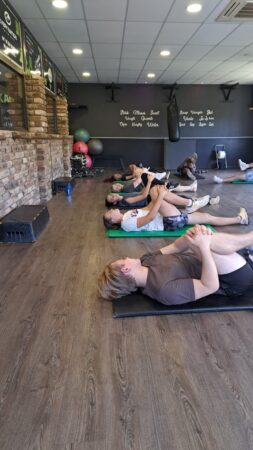
The Fitness Course takes place early in the year and helps set the tone for the students’ approach to health and fitness during the year.
Students explore goal-setting, motivation, exercise and personal fitness, helping them establish realistic goals and develop a mindset for maintaining an active lifestyle.
This life skills course is different from Equilibria’s year-long Fitness and Wellbeing Program, which encourages students to put these principles into practice throughout the year.
Health & Nutrition
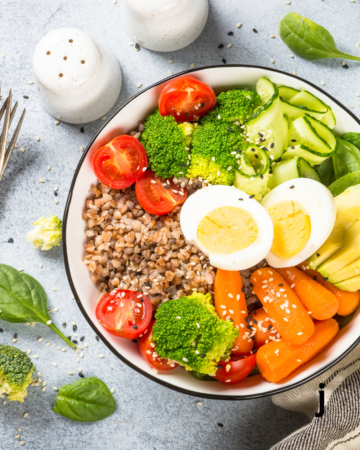
Learn practical principles around healthy eating, nutrition, energy, healthy snacks and smoothies, and maintaining a healthy body.
Students explore how everyday food choices can contribute to long-term health and wellbeing.
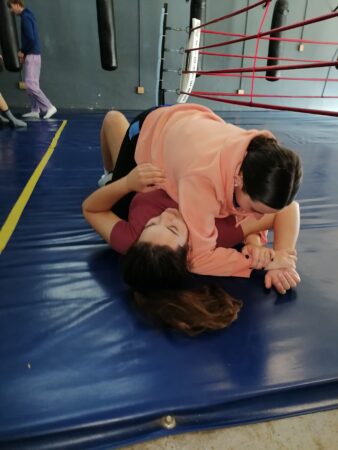
Safety & Self-Defence
Develop greater awareness of personal safety and learn practical principles of self-defence, responding to potentially dangerous situations and staying safe in everyday life.
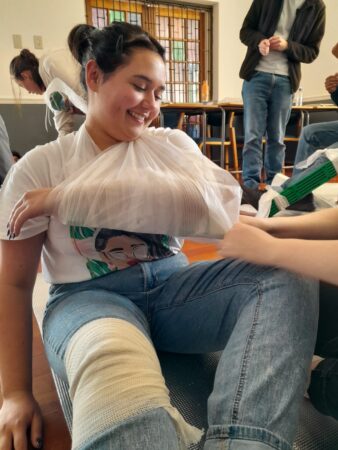
First Aid Level 1
Learn practical first-aid skills including CPR, checking vital signs, caring for wounds and burns, responding to fractures and dealing with emergency situations.
Students who successfully complete the course receive an accredited First Aid Level 1 certificate, valid for three years. This is particularly useful for students as they move into further study, work and greater independence.
Practical Life Skills
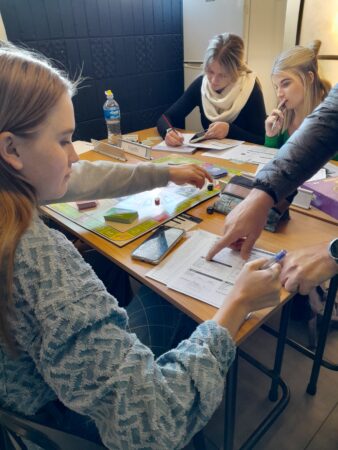
Financial Skills
Money management becomes increasingly important as young adults begin making independent decisions.
Students learn about budgeting, banking, saving, investments, financial commitments and practical money management.

Culinary Skills
Develop practical cooking skills that students can use in everyday life.
Topics include quick and easy cooking techniques, knife skills, herbs and spices, meal planning and practical food preparation.
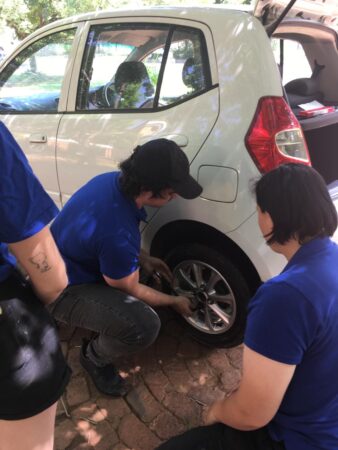
Motor Vehicle Maintenance & Safety
Learn practical skills every young driver should know.
Students are introduced to basic vehicle maintenance and safety, including how to change a tyre, check oil and water levels, identify important components under the bonnet and carry out basic safety checks. The course also covers what to do if you are involved in a motor vehicle accident and how to respond safely in an emergency.
The aim is to give students greater confidence and independence when dealing with everyday vehicle maintenance and unexpected situations on the road.
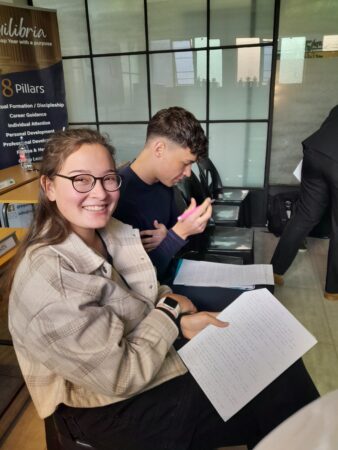
Legal Skills
Learn about everyday legal principles and situations young adults may encounter.
Topics include contracts and agreements, common legal mistakes, conduct in court and legal considerations relating to social media.
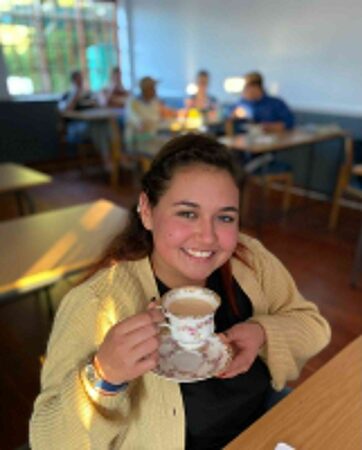
Etiquette
Develop confidence and awareness in social situations.
Students explore social etiquette, email and cellphone etiquette, dating and dinner-party etiquette, special occasions and intercultural dining.
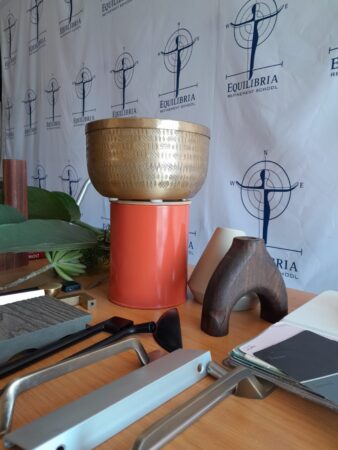
Interior Design
Explore personal style and creative approaches to living spaces.
Students learn about colour, texture, furniture, decorating styles and current trends.
Creative & Social Experiences
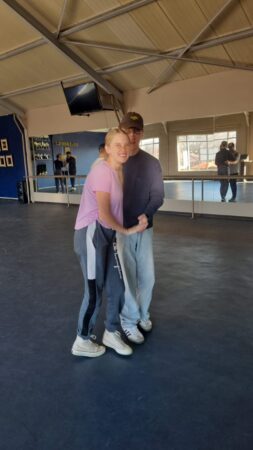
Social Dancing
Learn popular social dances in a relaxed and practical environment while developing confidence, partner awareness, coordination and appropriate dancing etiquette.
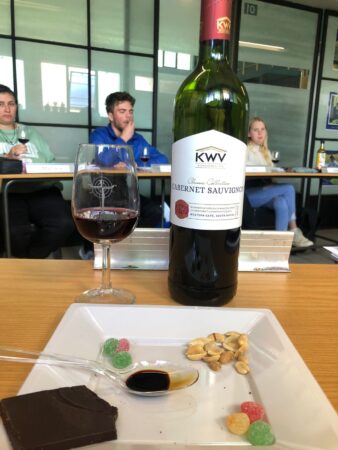
Wine Appreciation & Food Pairing
Learn to appreciate wine responsibly by exploring tasting, food pairing, serving and storage.
The focus is on developing an appreciation and understanding of wine rather than encouraging excessive consumption.

Film Festival
Experience film as a creative and social medium, encouraging students to participate, engage with different forms of storytelling and develop an appreciation for film.
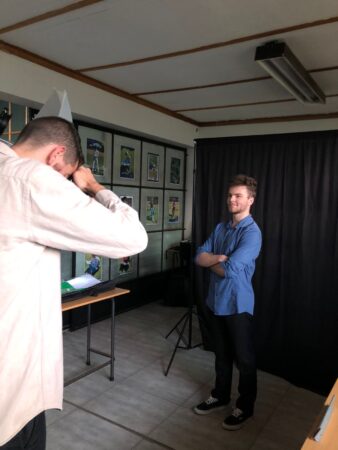
Photography
Explore the principles of good photography, basic camera techniques, composition, studio photography, and natural and artificial lighting.

Style, Image & Personal Branding
Explore how personal style, presentation and communication contribute to the way we present ourselves in social, academic and professional environments.
Learning That Extends Beyond the Classroom
The Life Skills Program is designed to be practical.
Students don’t simply sit and listen to lectures. Depending on the course, they may cook, create, practise, demonstrate, discuss, research, present, interview, taste, photograph, design or participate in activities. This approach allows students to take what they have learned and apply it in real situations.
This gives students the opportunity to move beyond simply hearing information and begin developing skills they can actually use.
How Does Life Skills Fit Into the Equilibria Gap Year?
The Life Skills Program is one part of the broader Equilibria gap year experience.
Life Skills
Practical knowledge and skills for everyday life, relationships, wellbeing, independence and adulthood.
Individual Career Guidance
A separate, extensive process that helps students explore themselves, possible study directions and potential career paths.
Explore our Individual Career Guidance Program for more information.
Christian Discipleship
Christian discipleship is woven throughout the year, providing a Bible-based foundation and opportunities for students who want to grow in their relationship with Jesus.
Fitness & Wellbeing
A year-long lifestyle component that encourages students to develop healthy habits around exercise, physical wellbeing and personal discipline.
Together, these elements create a structured year designed to help students grow as whole people, not simply prepare for their next academic step.
What Makes the Equilibria Life Skills Gap Year Different?
The Equilibria Life Skills Program isn’t designed to replicate school.
Instead, students are introduced to subjects and experiences that are relevant to the realities of adult life, often in areas that aren’t covered in a traditional school curriculum.
For example, a financial skills course can help prepare a student for managing money.
Similarly, a culinary course can help them become more independent.
In addition, emotional intelligence can influence how they handle relationships and conflict.
Communication skills also help them in university, work and everyday life.
Meanwhile, first aid and safety can prepare them for unexpected situations.
Thinking skills, in turn, help them assess information and make decisions.
Finally, courses such as Identity, Purpose & Potential give students space to reflect on who they are and where they are going.
Together, these courses support practical preparation for real life.
Your Life Skills Gap Year Certificate
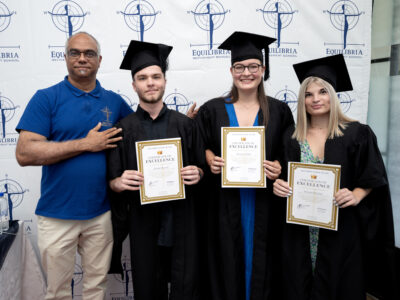
At the end of the life skills gap year, students receive an Equilibria Academic Certification certificate listing the courses they successfully completed.
Each Life Skills course that a student has successfully completed is listed and recognised on the certificate.
To receive recognition for a course, students are expected to:
- Fully attend the course
- Complete assignments where applicable
- Successfully complete the required assessment, whether practical or theoretical
This gives students more than memories of interesting courses. They leave with a formal record of the Life Skills learning experiences they successfully completed during their Equilibria year.
Life Skills Gap Year: Frequently Asked Questions
What life skills are taught during a gap year at Equilibria?
The Life Skills Program covers personal development, emotional intelligence, mental health and wellbeing, relationships, financial skills, communication, health and nutrition, culinary skills, legal skills, etiquette, safety, first aid, thinking skills, worldviews, Christian apologetics, interior design and a range of creative and social experiences.
Is Equilibria a structured gap year?
Yes. Equilibria is a structured gap year program based in Potchefstroom, South Africa. The year combines Life Skills, Individual Career Guidance, Christian discipleship, Fitness and Wellbeing, and other practical experiences.
How long are the Life Skills courses?
Most Life Skills courses are presented as immersive short courses over approximately one week. Teaching generally takes place Monday to Thursday mornings, with Friday used for a recap, final session, assessment or practical application of the week’s course.
Who teaches the Life Skills courses?
Our courses are presented by experienced lecturers and professionals who are actively working in their fields. They bring their knowledge, expertise and real-world experience to Equilibria, often taking leave from their own work or stepping away from their businesses and practices to invest in the lives of our students.
Do students receive assessments?
Most Life Skills courses conclude with an assessment on the final day of the course. Assessments are generally completed online using the students’ phones and are designed to reinforce learning rather than create pressure or catch students out.
Students are encouraged to use their study guides when preparing for the assessment. The aim is to help them consolidate what they have learned and ensure that the knowledge and practical skills gained during the course can be recalled and applied long after the week is over.
Do students receive a Life Skills certificate?
Recognition for completed courses
Yes. At the end of the year, students receive an Equilibria Academic Certification certificate. Successfully completed Life Skills courses are listed and recognised on the certificate.
Is the Life Skills Program the same as Career Guidance?
No. Life Skills and Career Guidance are separate parts of the Equilibria gap year. The Life Skills Program develops practical and personal skills, while the Individual Career Guidance Program provides a more extensive and personalised process of career and study exploration.
When does the Life Skills Program take place?
The Life Skills Program forms part of the Equilibria gap year and runs from February to November. The exact order of courses may vary from year to year.
Where is the Equilibria Life Skills Program offered?
Equilibria School of Life is based in Potchefstroom, South Africa.
Who is the Life Skills Program for?
It is designed for young adults who want to use their gap year intentionally, particularly students who have completed matric and want to develop greater confidence, independence, practical skills and self-understanding before moving into further study, work or the next stage of life.
A Gap Year That Prepares You for Life
Explore a life skills gap year in Potchefstroom that gives you opportunities to grow in confidence, independence and self-understanding.
Build skills for managing money and managing your wellbeing.
Practise preparing a meal while preparing for adulthood.
Develop an understanding of your emotions and build healthy relationships.
Learn how to think and discover more about who you are.
The Equilibria Life Skills Program gives young adults opportunities to learn things that matter in real life.
Applications for 2027 are now open.