
Understand yourself. Explore your options. Plan your next step.
Career guidance at Equilibria School of Life helps young adults understand themselves, explore study and career options, and make informed decisions about life after matric. Based in Potchefstroom, North West, South Africa, our structured Christian gap year program combines individual assessments, personal feedback, detailed research and practical career exploration.
For more info contact us
Whether you have no clear direction, several possibilities or a career you want to investigate, you receive guidance shaped around your interests, abilities, academic results and future plans.
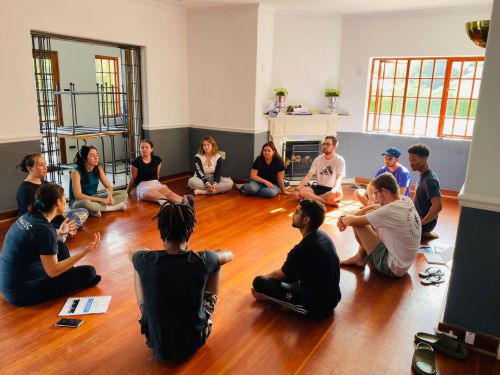


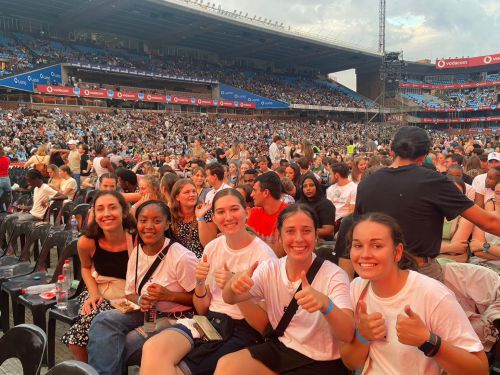
Choosing what to study or do after school can feel overwhelming. You may be unsure of your strengths, uncertain about admission requirements or influenced by other people’s expectations.
At Equilibria, career guidance takes place over several months. Students have time to ask questions, investigate possibilities and reflect on what they discover.
Psychometric assessments provide a starting point. Students then connect what they learn about themselves with research into qualifications, institutions, workplaces and possible career pathways.
The aim is to help each student develop a realistic, informed direction while taking ownership of their decisions
Each phase builds on what the student has learned. Timing varies according to individual progress; the phases are not five consecutive weeks.
Students complete individual assessments that explore:
The purpose is to develop self-knowledge. Assessment results help students identify possibilities to investigate, rather than assigning them a single career.
Students receive individual feedback on their assessment results together with their parents.
This provides an opportunity to ask questions, understand what the results mean and consider how personal strengths, interests, abilities and preferences relate to possible career directions.
Parents gain insight into the process while students remain actively involved in exploring their own futures.
With guidance from the Career Guidance Counsellor, students research their possible careers and gradually develop a realistic shortlist.
Students compare their options with their academic results and circumstances. They learn to investigate a qualification or career beyond its name and consider what pursuing it would involve.
For additional South African career information, students and parents can explore the Khetha Career Development Services website. Confirm course requirements and application dates directly with the relevant institution.
Once students have a shortlist, they explore their options beyond online research.
Depending on individual interests and available opportunities, field research may include:
Each student’s field research is based on their own career shortlist. These experiences help students compare their expectations with what they discover.
Students review their research, reflect on their experiences and consider whether their shortlisted options still fit.
If uncertainty remains, further individual guidance helps them explore unanswered questions, reconsider possibilities and work towards greater clarity.
Career research and field research generally begin early in the year. The aim is to help students prepare for relevant tertiary applications, while recognising that institutions have different application schedules.
Career guidance is one part of the Equilibria year. Students also participate in weekly life skills courses and the broader gap year program.
As students develop self-awareness, communication, emotional intelligence, leadership and practical independence, they gain further insight into their strengths, values and interests.
This personal growth supports their career exploration and helps them prepare for the responsibilities of further studies, work and adult life.
Explore Equilibria’s practical life skills courses or learn more about Equilibria School of Life.
It is a structured process within Equilibria’s gap year program that combines assessments, individual feedback, career research, field research and decision support. Students explore options suited to their interests, abilities, academic results and circumstances.
Yes. Psychometric assessments form part of the first phase. They help students explore their abilities, interests, personality, work style and other personal characteristics. Results are discussed during individual feedback and used to guide further exploration.
An assessment does not determine one correct career. It provides information to consider alongside your interests, academic results, research and practical experiences. At Equilibria, career decisions develop through the complete guidance process.
The process takes place over several months during the Equilibria year. Timing varies by student, and the phases are not necessarily consecutive weeks. Students have time to research, reflect and refine their options.
No. You continue with Equilibria’s weekly life skills courses and other program activities while working through your individual career guidance process. These experiences also help you learn more about yourself.
Desk research involves investigating careers, qualifications, institutions, entry requirements and application dates. Field research adds direct insight through activities such as professional interviews, job shadowing, open days and workplace visits, depending on available opportunities.
Further individual guidance is provided to help you work through remaining questions, review your shortlist and consider your next steps. Students progress at different rates, and immediate certainty is not expected.
Yes. Parents join the student for individual assessment feedback. This helps families understand the results and possible directions while supporting the student’s ownership of their decisions.
Yes. Where further study forms part of your career pathway, the process considers relevant qualifications, subject requirements, admission criteria, institutions and application dates. The aim is to help you make an informed choice suited to your circumstances.
Yes. It can help you investigate that choice, question your assumptions and understand the qualifications and working environment involved. Students with several options—or no clear starting point—can also benefit from the process.
Spend your gap year learning about yourself, investigating realistic career options and developing practical skills for the future.
Explore the Equilibria gap year fees or view the entry requirements and apply.
For questions, email info@equilibriaschool.co.za.